Day by day
The itinerary
Tap any day to expand it. Days 4 to 7 are the trekking days — everything before is acclimatisation and everything after is the ride home.
Full itinerary deck
Photos, maps and the complete day-wise plan
The deck is a large file — if the preview is slow to load on mobile data, use “Open in Drive” instead.
Gear guide
Trekking gear, sorted
The question that comes up most is simple: what gear do I actually need, and what can I skip? This isn’t the definitive checklist — that’s coming separately. It’s our honest take on the big-ticket items.
Not a brand endorsement. We don’t promote or endorse any specific brand anywhere on this page. Everything below comes from our own research and past trek experience, and prices are what we saw while researching. Make your final call based on your own budget, comfort, and how often you see yourself trekking after this.
Trekking shoes
DependsHonestly? It depends. We do recommend a pair of shoes with good grip. Sports shoes can technically work in a pinch — but with some cautions.
Have a look at this — it’s a fair point about how much gear really matters versus grit and familiarity with the terrain.
Running shoes
Not built for Himalayan terrain — they lack ankle support and grip on loose, rocky trails, and their raised toes cause stability issues.
Brand-new, unbroken-in shoes
A common mistake. They cause blisters fast, and the sole may not grip well yet.
Flat soles
Poor traction on wet or uneven ground.
An exact-length fit
Shoes that fit exactly to your toe length will hurt on descents, as your toes jam forward.
Getting the fit right
- Leave a thumb-width of space in front of your toes
- Your heel should not lift while walking
- Try them on wearing trekking socks
- Break them in with a 20–30 km walk before the trip
If your existing shoes meet all of this, you’re set. If not, you have two options.
Rent or buy?
Rent
- In Yuksom — roughly ₹200–300/day, so about ₹800 for the four trekking days. Simple, but size and stock availability for a large group can be a real constraint.
- From Kolkata — a few sites deliver to campus. We tried one ourselves; read what happened before going this route.
Buy
Budget options sit in the ₹1,000–2,000 range. They may not be fully waterproof, so we’d suggest a shoe rain cover as backup — roughly ₹300.
Asian
A good brand with great reviews that keeps budgeted options by not spending on marketing. Here’s a non-paid review (for non-Hindi listeners: the reviewer talks about doing multi-day treks in Asian shoes, and how they performed well while staying budget-friendly).
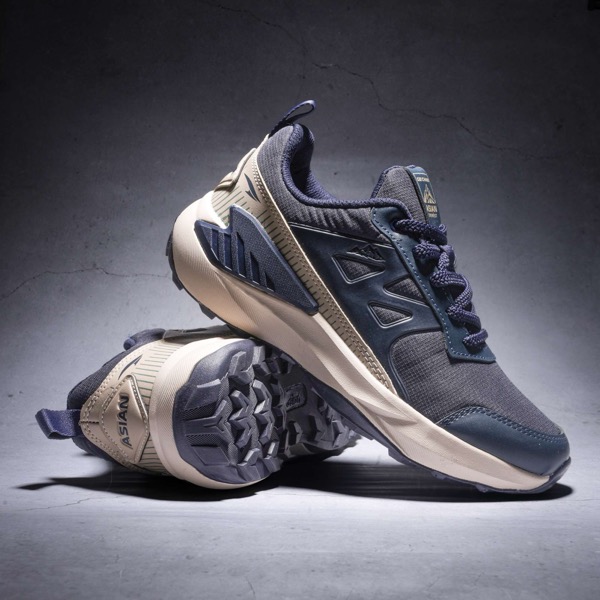
Everest 07
Men’s trekking & hiking, strong grip
₹1,199
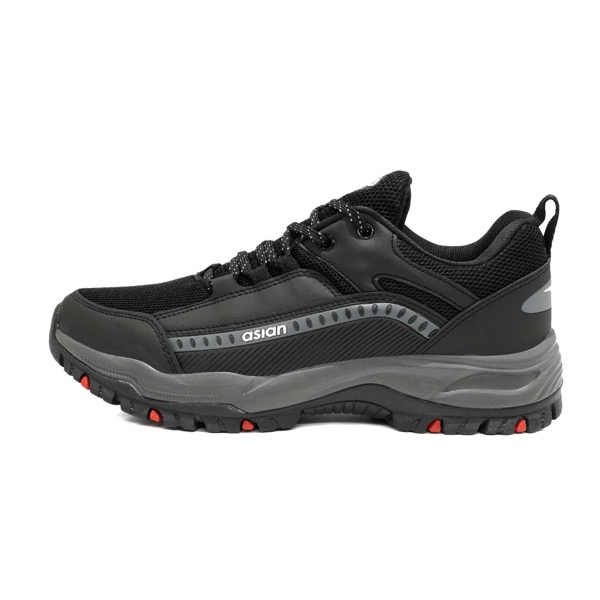 ★ 4.5 (92)
Everest 01
Men’s sports trekking & hiking
₹1,226
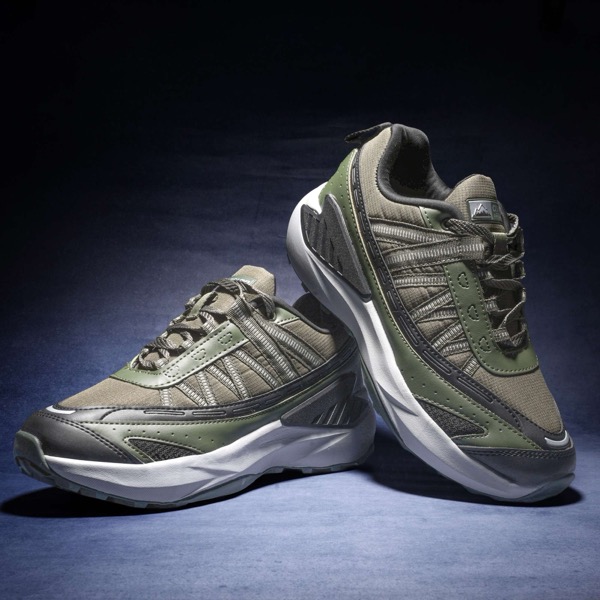
Everest 06
Men’s trekking, high-grip sole
₹1,443
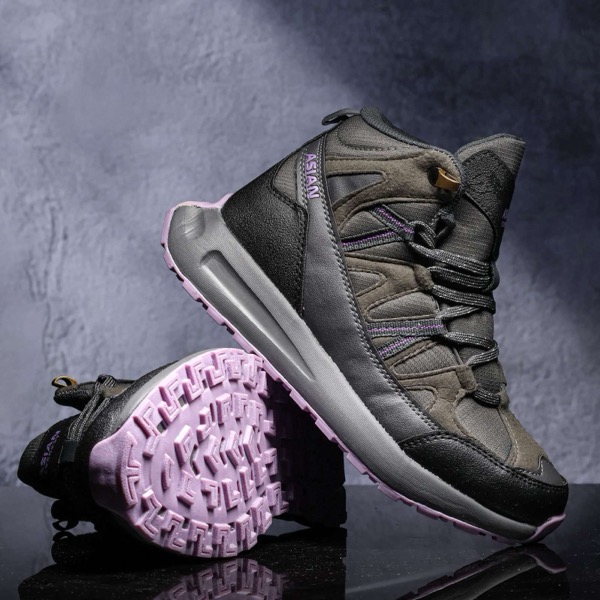 ★ 3.7 (3)
Everest W 21
Women’s trekking, all-terrain
₹1,450
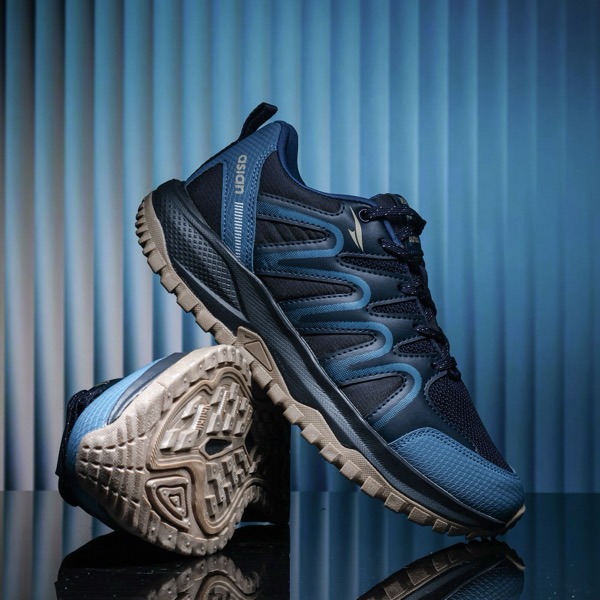
Everest 10
Men’s sports trekking, hiking & walking
₹1,599
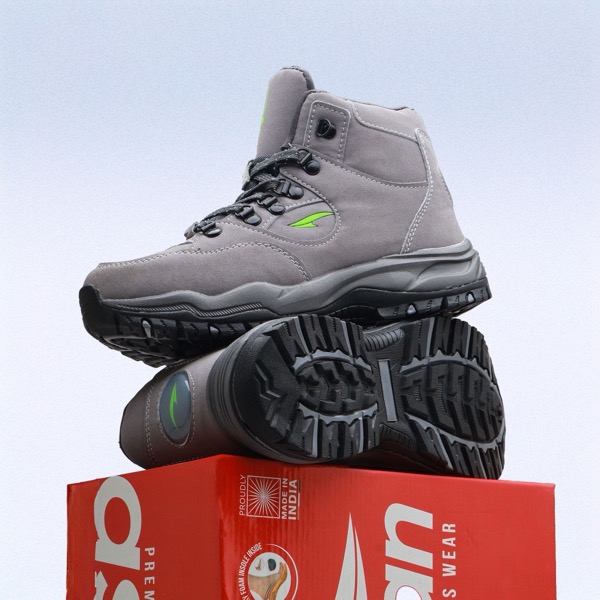 ★ 5.0 (1)
Everest 25
Men’s high-neck trekking
₹1,601
Adventra
Budget range, ₹1,000–2,000
Ozark by RedTape
Heavily discounted off MRP — prices seen while researching
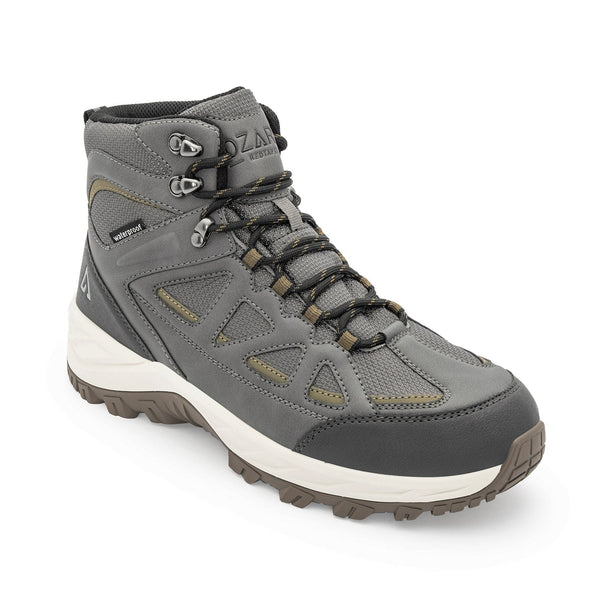
Dark Grey Trekking Shoes | High-Top Outdoor
₹1,872₹10,699
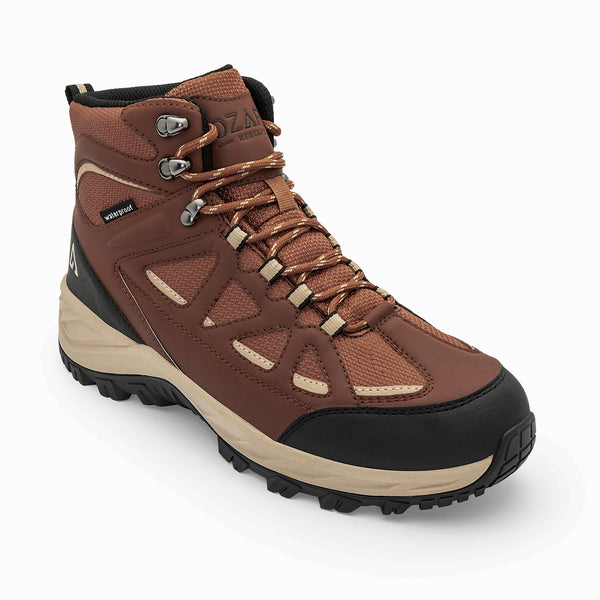
Brown Trekking Shoes | High-Top Outdoor
₹1,872₹10,699
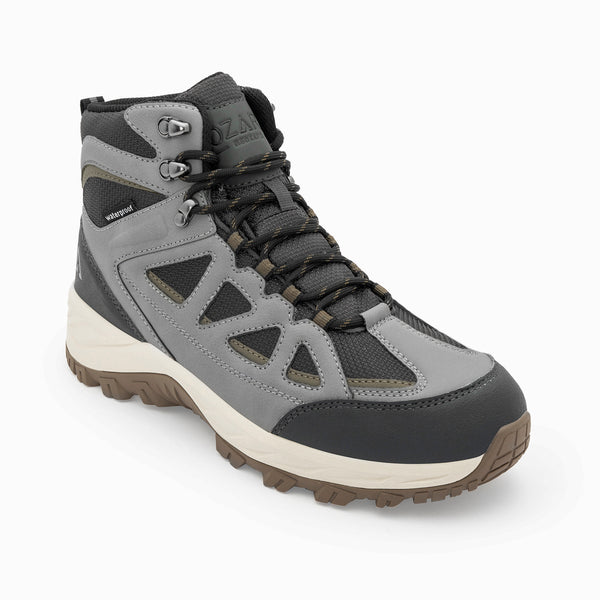
Light Grey Trekking Shoes | High-Top Outdoor
₹1,872₹10,699
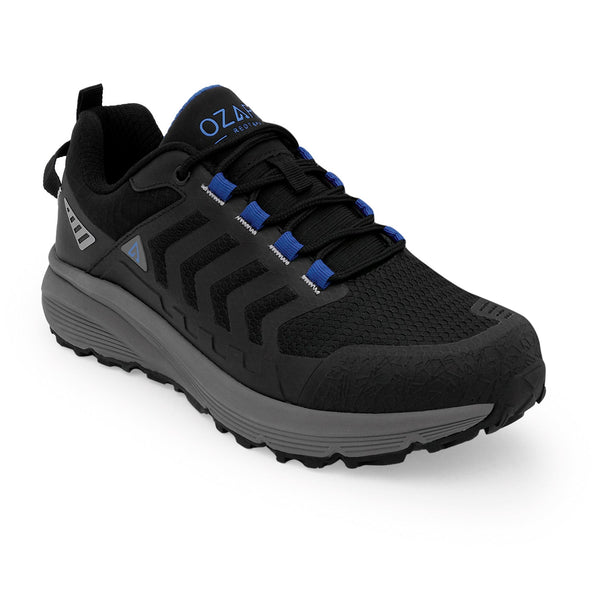
Outdoor Trekking Shoes | Black Performance
₹1,552₹9,699
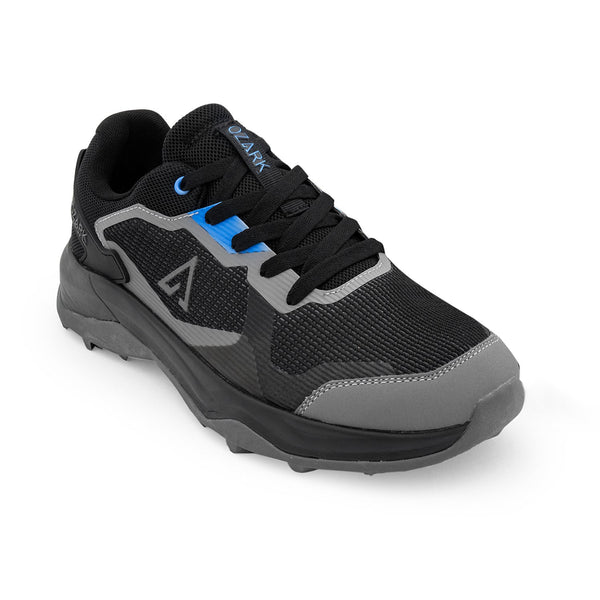
Outdoor Trekking Shoes | Black Grey Performance
₹1,584₹9,899
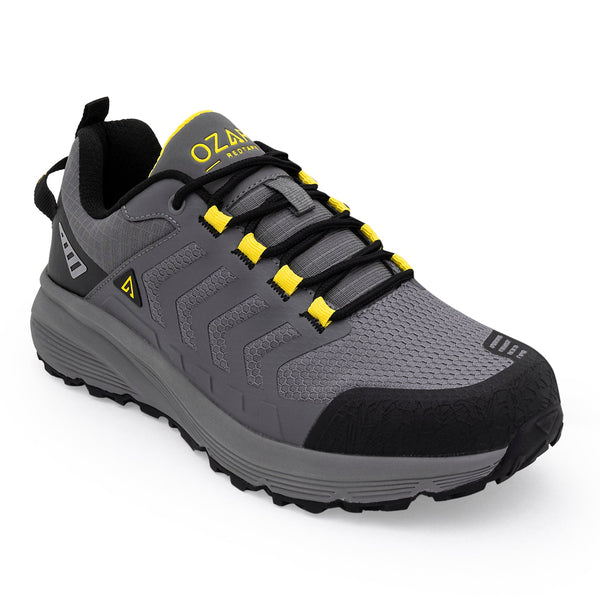
Outdoor Trekking Shoes | Grey Performance
₹1,584₹9,899
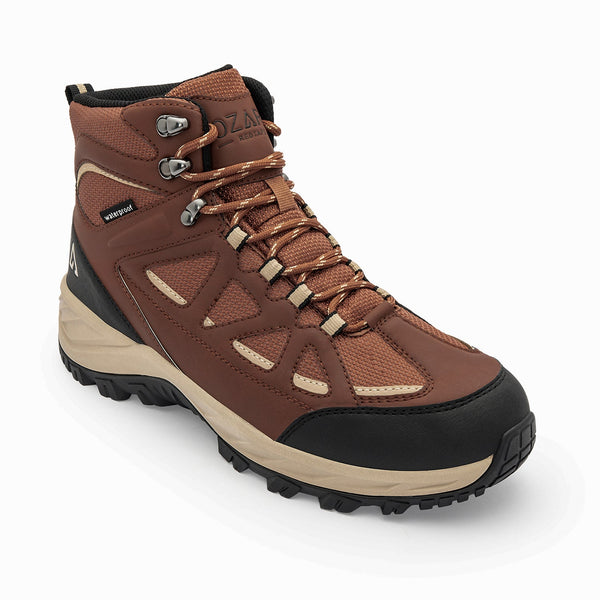
Men’s Brown Trekking Shoes | Rugged Outdoor Comfort
₹1,813₹11,699
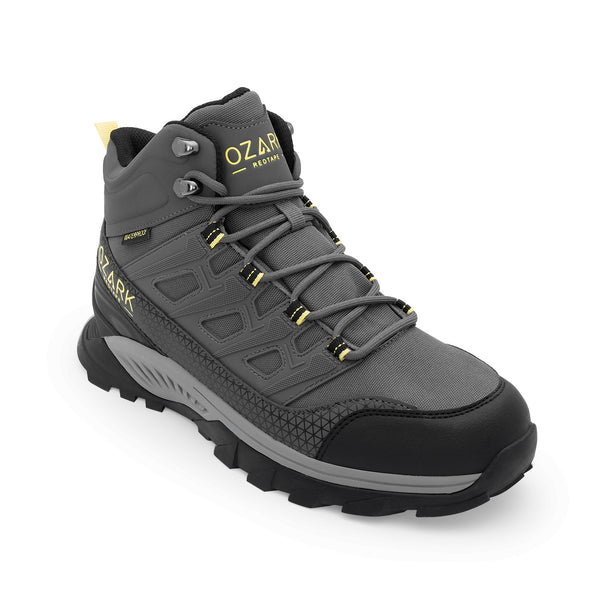
Dark Grey Trekking Shoes | High-Top Outdoor
₹2,938₹11,299
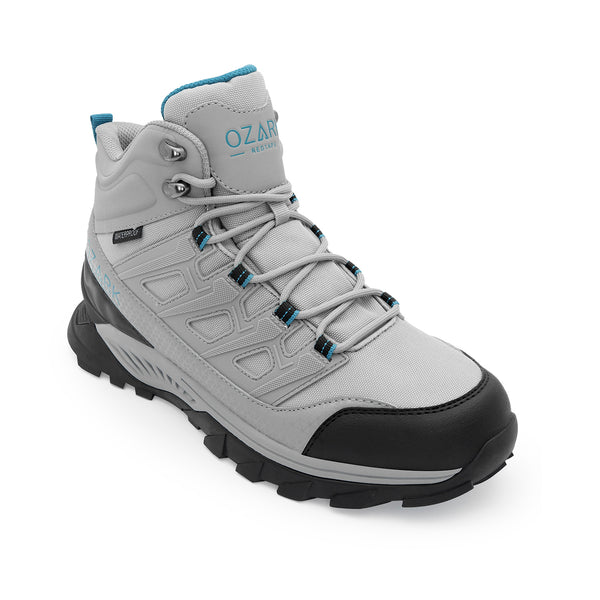
Light Grey Trekking Shoes | High-Top Outdoor
₹2,938₹11,299
Quechua (Decathlon)
Mid-to-high end, roughly ₹3,000–5,000+. Worth considering if you see yourself trekking seriously beyond this trip. For this particular trek, though, you don’t need anything that high-end.
Apart from all this, have a look at the terrain we’ll be on. The video is from Goechala — an extended version of our Dzongri trek — so don’t expect much snow; temperatures will be around 3–12°C.
For STEP / CEMS trekkers
This is a “depends” item. If you already own trekking shoes, bring them. If not, and you don’t plan to trek much after this, renting locally (or via Sharepal) avoids carrying a bulky pair across borders. If you think you’ll trek more in future, buying could be the better long-term call.
Trekking pole
Rent locallyCan be bought or rented — and honestly, not everyone needs one. Buying runs anywhere from ₹500 to ₹2,000+, but we’d recommend renting in Yuksom instead at around ₹200/day. Our local guides can also provide bamboo sticks: simple, effective, and free.
Our take
Don’t carry the extra weight for this one. A pole is awkward to pack and easy to arrange on the ground in Yuksom.
For STEP / CEMS trekkers
Skip carrying a pole. Rent it locally in Yuksom, or just use a bamboo stick from the guides — it genuinely works just as well for this trek, and you won’t have the hassle of carrying it back home.
Headlamp / torch
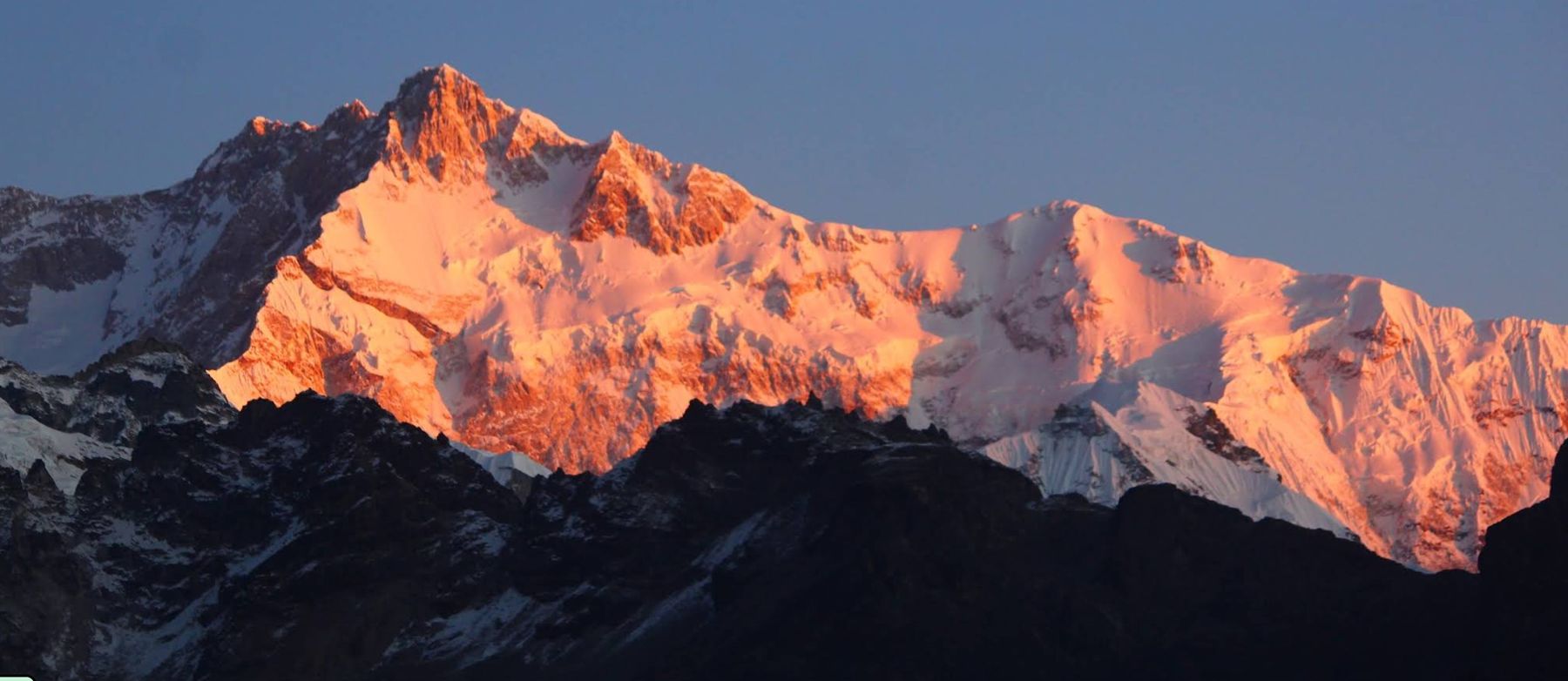
Buy this oneThis is the one item we do want everyone to actually buy. We aren’t doing a night trek, but you’ll need light for moving between tents at night at the very least. And there’s one stretch where it really matters: the pre-dawn walk to Dzongri Top for sunrise over Kanchenjunga. It’s a short window — maybe an hour — but it’s arguably the single most important part of the trek.
Trekkers starting the Dzongri Top sunrise walk at dawn. There won’t be snow patches like in the video on our dates, but you’ll still be walking in the dark — a working light is non-negotiable.
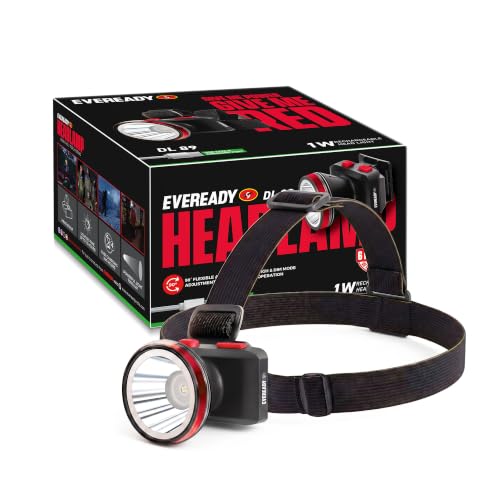
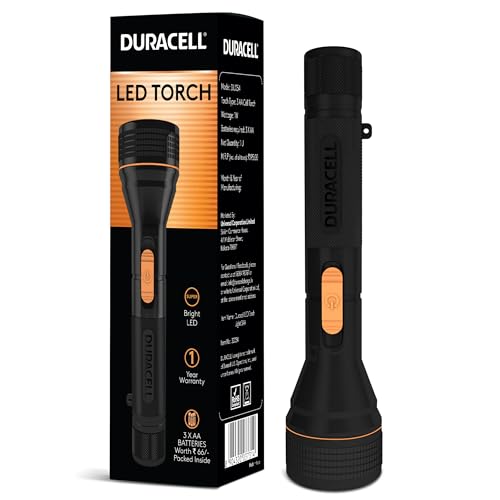
Renting a headlamp locally usually costs more than buying one, on top of possible availability issues — and unlike shoes or poles these are light and easy to carry, so bring one from campus.
For STEP / CEMS trekkers
Buy and carry this one — it weighs almost nothing (no worries carrying it back home), costs very little, and you’ll likely find it useful on future travels too.
Clothing
Layer upExpect daytime temperatures around 3–12°C, dropping to as low as 1–2°C at night. The trick is that your clothing needs flip depending on whether you’re walking or stationary — so think about it in two parts.
While trekking — breathe, don’t trap heat
Direct sun at altitude plus the effort of walking will make you sweat even in cool weather.
- Dri-fit or sports t-shirt
- Breathable, quick-dry lowers
- No heavy or thick layering
- Trekking or comfortable socks
At camp — trap heat, don’t lose it
Once you stop moving the goal flips. Build it up in layers, finishing with a jacket to seal it in and block the wind.
- Thermal base layer
- Mid-layer — fleece or similar
- Outer jacket to seal it in and block wind
- Thick woollen socks for the evening/night
- Gloves and a cap
Sunglasses are a must at this altitude for UV protection. We don’t have specific product suggestions here — just make sure you’re carrying a pair.
Camping equipment and sleeping bags are arranged by us, so you don’t need those. A complete packing list covering the rest of the essentials will be published separately soon.
Trekking rucksack / bag
Use what you havePlenty of options here, depending on how much you want to spend and whether you already own something usable.
Rent
The same Kolkata-based rental sites that offer shoes also rent bags — billed weekly, expect around ₹1,200–2,000 for a suitable bag. Read our note on the rental experience before relying on this.
Buy
A decent 60L trekking backpack runs ₹1,500–2,500 on Amazon. If you plan to trek more frequently, it’s worth going a notch higher. Names to check out in the Indian market: Tripole, Quechua and Wildcraft — but read the reviews yourself and pick what fits.
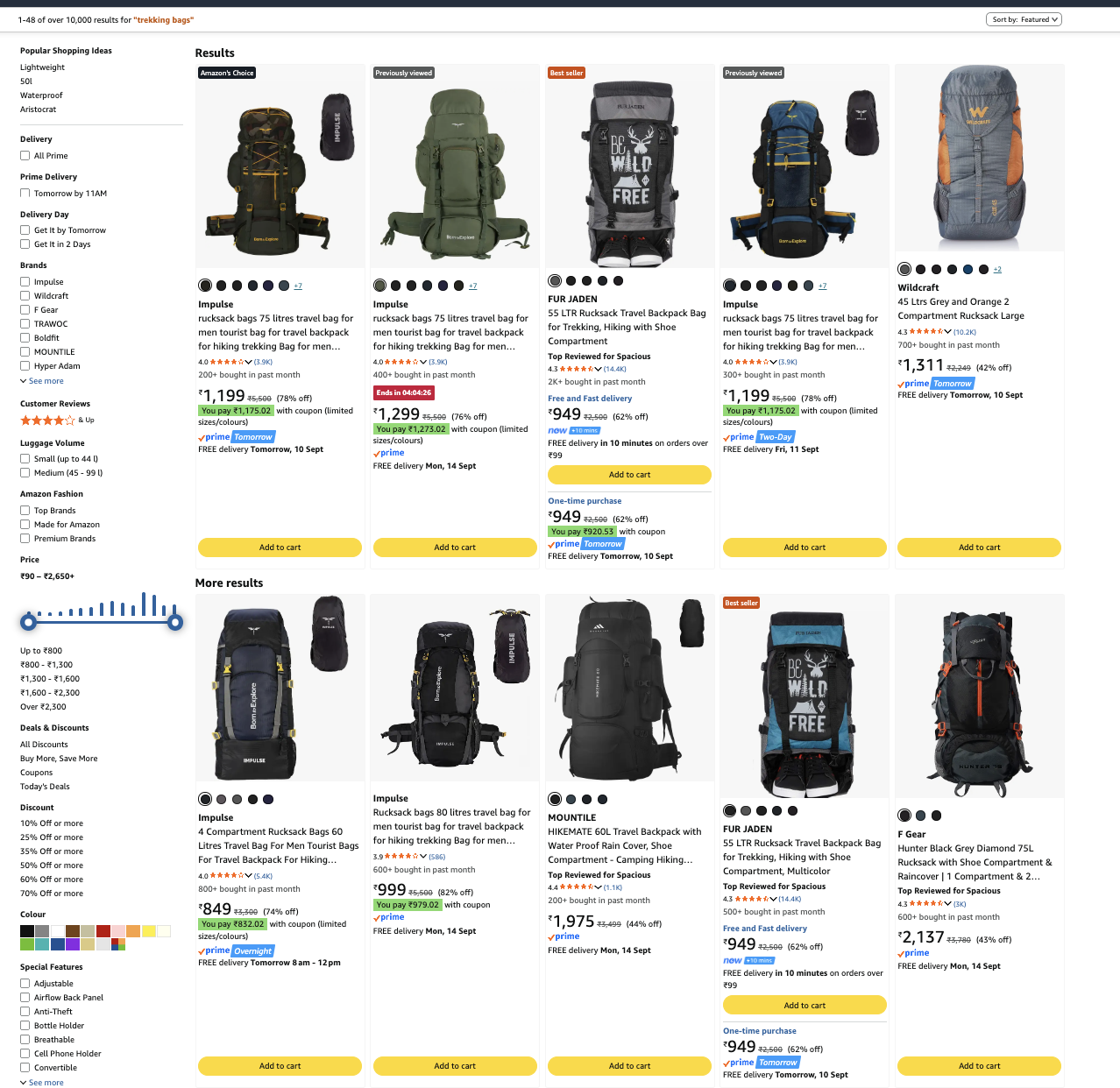
If you already own a backpack, you likely don’t need a new one. A smaller 25L daypack also works fine if you plan to offload your main luggage at Yuksom and carry less on the actual trek days.
For STEP / CEMS trekkers
This one depends on your bag situation. If you already have a suitable backpack, bring it — no need to buy new.
A word of caution
On renting gear from Kolkata
Sharepal kept coming up as a rental option for both shoes and bags, so rather than just linking it we placed an order ourselves. Here’s what happened.
Order placed
A 1-day rental, delivery booked for the evening of 5th September, pickup on the 7th. Payment was deducted up front.
After payment
They asked for identity verification. The order still was not confirmed by 4th September — and cancelling at that point would have cost a 10% fee, despite the order never having been confirmed from their end.
5th September
Only after we contacted customer care and pushed for a status update did they confirm the order. It still was not delivered that day.
6th September
The gear finally arrived in the afternoon — roughly a day and a half after the original delivery slot.
To be fair
The quality of the rented gear itself was fine once it arrived.
But
The delays in confirmation and delivery — after money had already been charged — made for a stressful experience rather than a convenient one. And it isn’t just us: several online reviews mention orders never arriving at all.
Our verdict
There’s a practical cost implication too. Given the delivery uncertainty, you’d realistically need a two-day buffer before your trip dates just to be safe — which turns a short rental into more like a ten-day one, with the cost rising accordingly. Since the trek itself only runs a few days, we don’t see much sense in renting gear specifically from Kolkata for it, especially when you can’t be confident the order will arrive on the day you’re told to expect it.
Still unsure?
Questions on gear or the itinerary?
Drop them in the group — we’re happy to help you figure out what makes sense for you.
Get in touch
Fastest route is the trip WhatsApp group — the trek leads are on it and can answer gear questions directly. For anything else, email us.
— Team Armageddon, IIM Calcutta